The programme of the tribute to Cyprus at the city’s leading cultural institution, in the heart of Brussels, is entitled ‘Focus on Cyprus: Immersion in Contemporary Cypriot Art’ and is organised by the Cyprus Presidency and the Bozar Centre for Fine Arts in the context of the Cyprus Presidency’s Cultural Programme.
Selected activities will be held at Bozar showcasing the richness and diversity of the Cyprus artistic scene starting on 26 March 2026 and running for two months, offering a lively celebration of creativity. Through dance, music and innovative forms of experiential expression, distinguished Cypriot artists will introduce the European public to Cypriot artistic production.
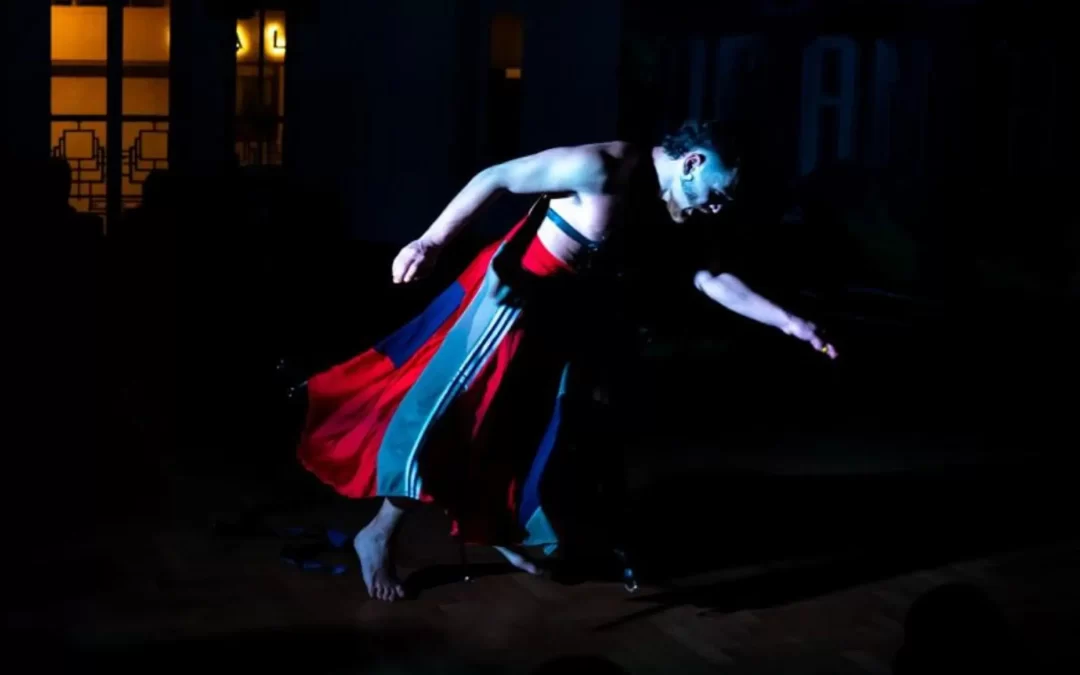
Events started on Thursday 26 March 2026, with the presentation of choreographic works by two Cypriot artists, Lia Haraki and Panos Malactos. In her performance under the title “Vessel”, Lia Haraki, through an audible experience with sound tracks in mantra style, explores how transformative frequencies of sound can contribute to the listener’s well-being, inner beauty and balance. By adapting his solo “Sadboi”, Panos Malactos confronts the audience’s gaze through a wandering performance, where ‘body culture collides with the virtual world of social media and the internet’.
Cyprus speaks the language of culture
In addition, visitors also had the opportunity to attend the opening of the exhibition “Lost Spaces”, which offers an immersive virtual reality experience in Lefkosia’s buffer zone.The exhibition, which is held in collaboration with the CYENS Centre of Excellence, offers a unique perspective on three emblematic spaces within the buffer zone, through the memories of the people who used to live there. It is a sensitive and immersive exploration of a city profoundly marked by division and the fact that part of it is under illegal occupation by Turkish troops, and also by the passage of time. The public had the opportunity to talk with the curators of the project, Kalli Koulloufidou, Kleanthis Neocleous, Belinda Cherrington and Fotos Frangoudes. The exhibition will remain open until 19 April 2026.
More information about ‘Focus on Cyprus: Immersion in Contemporary Cypriot Art’ can be found on the Bozar website
The cultural programme organised in Brussels is a conscious act of cultural diplomacy. At the centre of EU decision-making, Cyprus is presented through the ‘language’ of culture, projecting a modern and outward-looking identity, through a meaningful dialogue regarding Europe’s values, priorities and future. At the same time, it uses culture to draw attention to the fact that an EU member state is partially occupied and its capital remains divided.
The exhibition “The Worlds of Cyprus”, curated by Christina Lambrou, is currently on display at the Filoxenia Conference Centre under the aegis of the 2026 Cyprus Presidency of the Council of the EU.
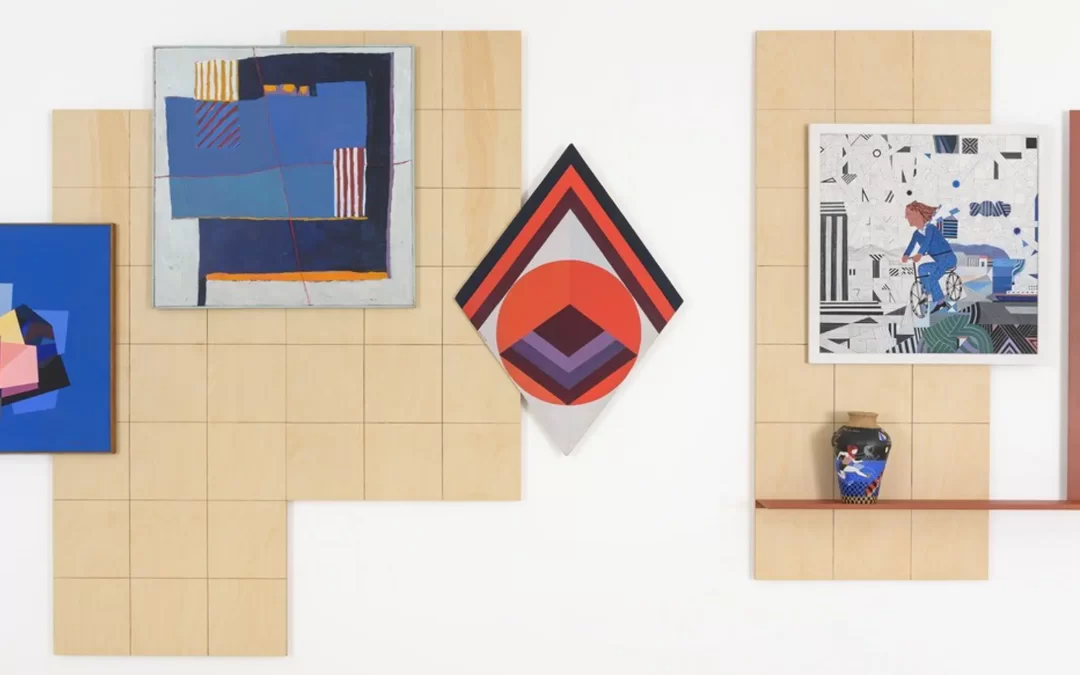
Over sixty works dating from different time periods and representing a variety of artistic disciplines and genres have been grouped into thematic units focusing on the various aspects of the ‘worlds of Cyprus’.
The curator’s approach uses chronological strata of works of art recording landscapes, the human form and relationships to cast light on the social and historical influences that have shaped the island’s artistic production.
The large section on display in the Olive Conference Hall contains some of the earliest pictorial representations of life in Cyprus by local artists. At its centre are three drawings from the extensive œuvre of Adamantios Diamantis (1900-1994) recording scenes from rural Cyprus, which later served as the basis for the composition of the work “The World of Cyprus” (1967-1972). The title of this monumental work is also referenced in the exhibition’s title, but the use of the plural emphasises the importance of coexistence and interaction.
The works are positioned in such a way within each section as to establish a dialogue between them and to command the spectator’s attention, forming an open sphere documenting memory, social shifts, political tensions and artistic endeavours. Each work of art maintains its own specificity, while at the same time interacting with the rest of the collection. The works maintain their autonomy, while simultaneously prompting the visitor to view and understand them in a new light as they encounter them.
The different sections focus on themes such as the land and agriculture, landscape, memory, movement and also include abstract and geometric compositions. They also encompass concepts such as non-linearity and relational thinking, forming a unified yet multilayered experience. The use of the plural in the title “The Worlds of Cyprus” emphasises the importance of coexistence, multiplicity and allowing multiple voices to be heard.
The compositions invite the viewer into a game of associations and multiple readings, shaping a visual narrative made up of many different voices. New interpretative approaches emerge through the chronological and stylistic juxtapositions: works from the early twentieth century converse with later and contemporary artistic practices, avoiding the linear narrative of history and highlighting deeper affinities or tensions. By juxtaposing works from different eras and artistic styles, the exhibition emphasises the ongoing transformation of the Cypriot experience, as reflected in the works of Cypriot artists.
Organisation: The 2026 Cyprus Presidency of the Council of the EU and the Deputy Ministry of Culture
Coordination: Department of Contemporary Culture: Andria Meletiou and Dr Monika Asimenou
Curator: Dr Christina Lambrou
Architectural Exhibition Design: Laoura-Maria Fotiou, Eleni Flouri and Delis Papadopoulos
Graphic Design: Popi Pissouriou
This exhibition is on display at the Filoxenia Conference Centre under the aegis of the 2026 Cyprus Presidency of the Council of the EU and is not open to the general public.
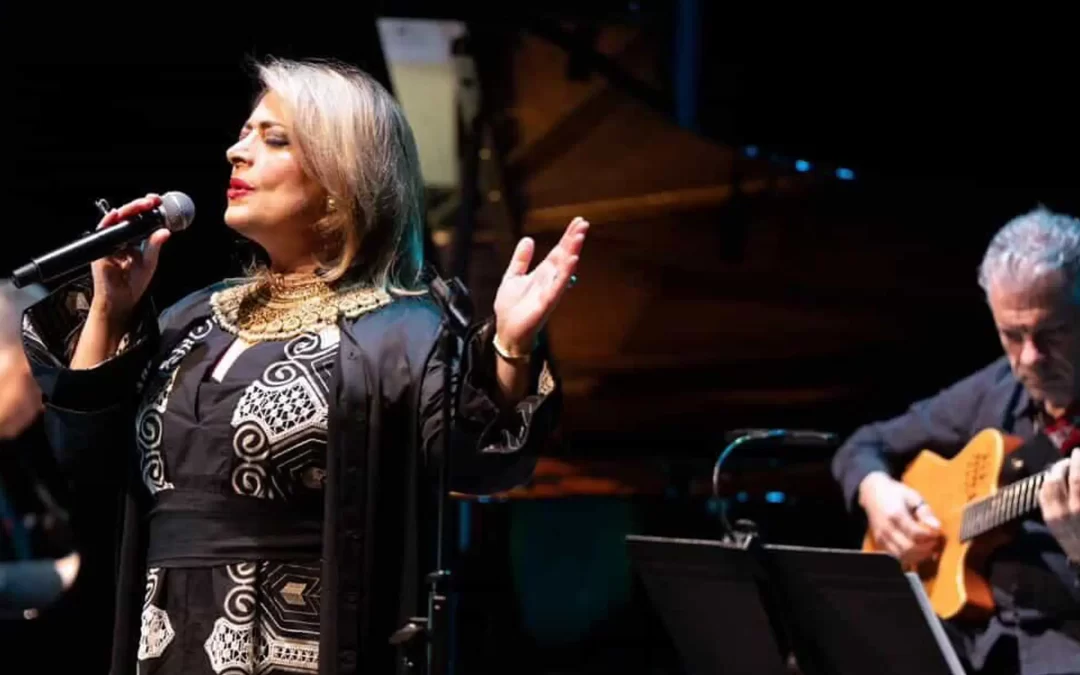
The performance “Cypriote” is a musical journey into the multilayered identity of Cyprus, inspired by the island’s antiquities, language, dialect and collective memory. It was presented on 20 March 2026 by the internationally acclaimed artist Alexia at the Terrace Theater of the iconic John F. Kennedy Center for the Performing Arts, in Washington, D.C.
The live arts thematic music performance, which was organised as part of the Cultural Programme of the Cyprus Presidency of the Council of the EU 2026, celebrated Cyprus’ rich cultural heritage through vibrant contemporary expression. Through songs and narrative, the artist explored themes of cultural heritage, belonging and cultural cohesion, offering audiences a deeply personal yet universally resonant artistic experience.
From a feminine perspective and bearing a global awareness, Alexia bridges Cyprus’ ancient past with its dynamic present, placing the island’s culture at the heart of broader international dialogue – as a living expression of memory, creation and continuous evolution.
The performance was attended by the Ambassador of the Republic of Cyprus in the United States, Mr Evangelos Savva, senior officials of the US Department of State, representatives of the US government and the EU, ambassadors and members of the Washington diplomatic corps, journalists, leading members of the Cypriot and Greek communities in the USA, as well as a large international audience.
The presentation of Cyprus’ cultural voice on a world stage of great significance once again underlined the commitment to artistic excellence and intercultural exchange.
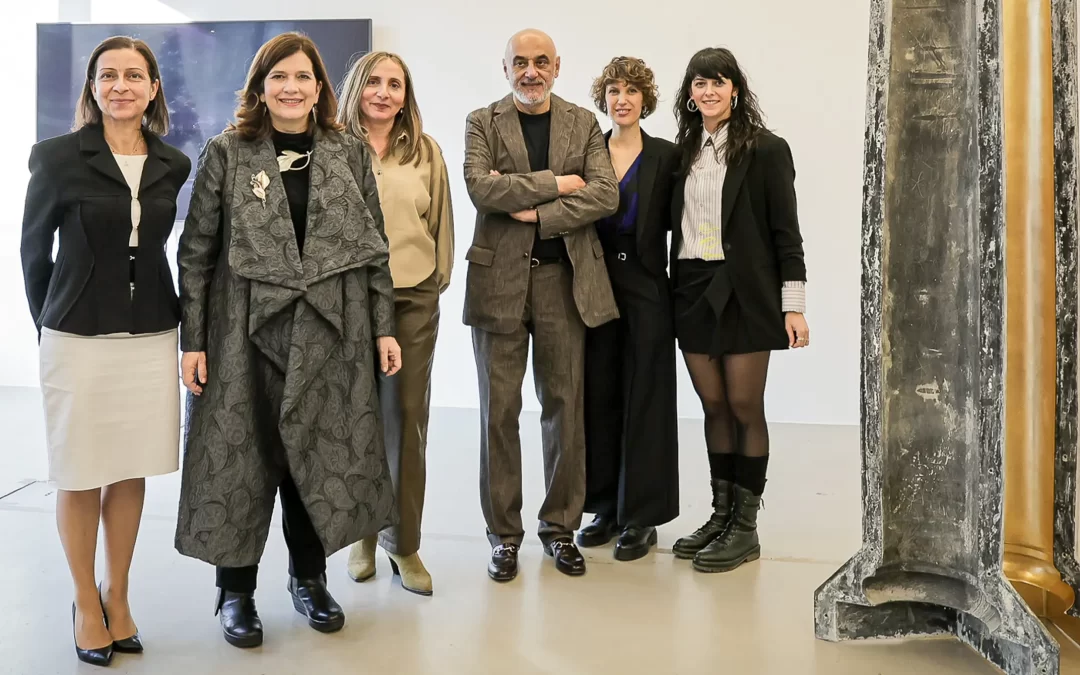
The art exhibition “Beauty in Question: thinking through and beyond form” was inaugurated on Saturday, 21 March 2026, in Berlin by the Deputy Minister of Culture of the Republic of Cyprus, Dr Vasiliki Kassianidou. The exhibition is organised within the framework of the Cultural Programme of the Cyprus Presidency of the Council of the EU 2026 and is presented at ANDREAS MURKUDIS Space 77, until 18 April 2026.
The exhibition, curated by Savvas Christodoulides and Pavlina Paraskevaidou, attempts to review aspects of beauty perceived and expressed through the works of contemporary creators from Cyprus. The concept of beauty is the practical realisation of the creators’ views on the concept of beauty, expressed through artistic formulae. Exploring this concept and its contemporary perspectives, the Cypriot creators oppose the standard position that beauty is everything that is proposed as a ‘whole’ and, at the same time, guarantees aesthetic pleasure. As their subjective views suggest, beauty, as a timeless concept and value, enjoys escalations and can be graded in a multifaceted and diverse way.
The diversity of the works of the exhibition – photography, sculptures, installations, video and sound – opens up for correlations based on the perception and meaning of the “beauty”. Participating artists “are invited to articulate the truth of beauty, in varying degrees and manifestations, running the gamut between attraction and repulsion”.
The exhibition is attended mostly by artists who have been active in the German capital through artists’ residency programs, exhibitions or other cultural events. The selection of the artists was based not only on the quality of their artistic work, but also on their contribution to the preservation and renewal of the cultural ties between Cyprus and a major art hub like Berlin.
Addressing the event, the Deputy Minister of Culture of the Republic of Cyprus, Dr Vasiliki Kassianidou, stated that “for centuries, Cyprus has been the easternmost border of Europe, serving as a bridge to the wider region. It has always been a pillar of stability and security in times of turmoil. One of the main objectives of the Cyprus Presidency is to strengthen the Union’s ties, using of culture as a fundamental element of cohesion policy. Culture is, after all, the primary expression of our common European identity. Taking over the Presidency offers us an excellent opportunity to highlight the island’s ancient, traditional and contemporary culture across Europe. The exhibition is presented in the heart of the cultural scene of Berlin – a city acknowledged throughout Europe and internationally as a dynamic centre of contemporary culture – and aims to promote contemporary Cypriot creation”.
Information:
Opening hours: Wednesday–Saturday 12:00–18:00
Location: Andreas Murkudis Project Space Potsdamer Str. 77, 10785 Berlin
The exhibition “Sector 2: Nicosia”, which takes a contemporary and experiential approach to the history of the Green Line and highlights the various aspects of the division of Lefkosia, opened on 10 March 2026. It is being hosted at the former Public Tobacco Factory – Hellenic Parliament Library and Printing House in Athens until 24 May 2026.
The inauguration was held by the President of the Hellenic Parliament, Mr Nikitas Kaklamanis, in the presence of the Deputy Minister of Culture of the Hellenic Republic, Mr Iason Fotilas, the Deputy Minister of Culture of the Republic of Cyprus, Dr Vasiliki Kassianidou, the Ambassador of the Republic of Cyprus to Greece, Mr Stavros Avgoustides, the Mayor of Athens, Mr Haris Doukas, the Mayor of Lefkosia, Mr Charalambos Prountzos, Ambassadors of foreign diplomatic missions to Greece, as well as officials from Greece and Cyprus and a large number of distinguished guests.
The exhibition, which is being held under the auspices of the Hellenic Parliament, is co-organised by the Cyprus Presidency of the Council of the EU for 2026 as part of its cultural programme, in collaboration with the Leventis Municipal Museum of Lefkosia. It offers a contemporary, experiential approach to the history of the Green Line, highlighting the multiple aspects of the division of Lefkosia.
Historical evidence, archival material, everyday objects, works of art and oral testimonies, combined with contemporary artistic interventions and installations, approach the traumatic imprint of division in the urban structure and collective memory of Lefkosia, the last divided capital of Europe.
Addressing the event, the President of the Hellenic Parliament mentioned, among others, that “the Hellenic Parliament, as an institution that embodies the democratic will of the Greek people, welcomes the exhibition not only as a cultural act, but as an act of historical consciousness and solidarity”, underlining that “indissoluble linguistic and cultural ties between Greece and Cyprus are confirmed in the Greek Parliament once again”.
In her address, the Deputy Minister of Culture referred to the theme of the exhibition, the title of which refers to the areas of control defined by the United Nations Peacekeeping Force in Lefkosia.
“The exhibition “Sector 2: Nicosia” goes beyond the narrow boundaries of Cyprus, highlighting the European reflection around memory, trauma management and the need to build bridges in times of polarisation.”
Vasiliki KassianidouDeputy Minister of Culture of the Republic of Cyprus
Dr Kassianidou thanked the Greek Government and Prime Minister Kyriakos Mitsotakis for their continuous support and solidarity shown in practice to Cyprus at a time of intense developments in the wider Eastern Mediterranean region. She also added: “Cyprus remains a safe, stable and fully functioning European country, committed to diplomacy, cooperation and international law. Our economy, our institutions and society continue to operate smoothly, reaffirming Cyprus’ role as a reliable bridge between Europe and the Middle East.
Greece’s support further reinforces this message of stability, cooperation and common European values”. The Ambassador of the Republic of Cyprus to Greece pointed out that Lefkosia is emerging “not only as a geographical place but as a human experience”, underlining that through culture essential “spaces of understanding” are created. He also stressed that Athens is sending the message that “peace is not a given, but a constant choice”, and that the past can become the means “for imagining the future together”.
The exhibition “Sector 2: Nicosia” is also presented in Lefkosia, at the Leventis Municipal Museum of Lefkosia, until 17 June 2026, creating an action of high symbolism between two cities with a long history – two capitals with shared cultural roots.
Bridging dialogue, historical consciousness and European cooperation
The presentation of the exhibition in Greece is of special importance, as it contributes to informing and raising awareness among the Greek public about the historical and social dimensions of the Green Line, highlighting culture as a bridge of dialogue, historical consciousness and European cooperation.
The audience can upgrade its experience by using the autonomous audio tour on the Smartify application during its visit.
Opening days and hours:
March:
Tuesdays–Wednesdays and Fridays (except 19 and 20 March): 10:00–12:00
Saturdays (except 21 March): 10:00–14:00
April:
Tuesdays–Wednesdays and Fridays (except 9 and 10 April): 10:00–12:00
Saturdays (except 11 April): 10:00–14:00
May:
Tuesdays–Wednesdays and Fridays: 10:00–12:00
Saturdays: 10:00–14:00.
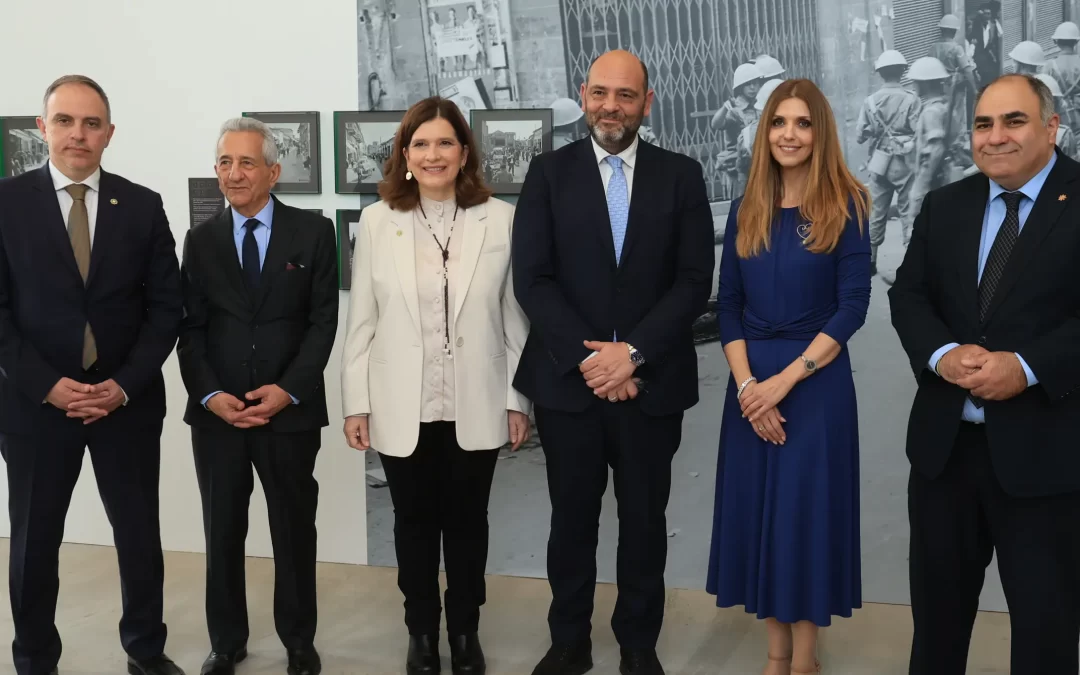
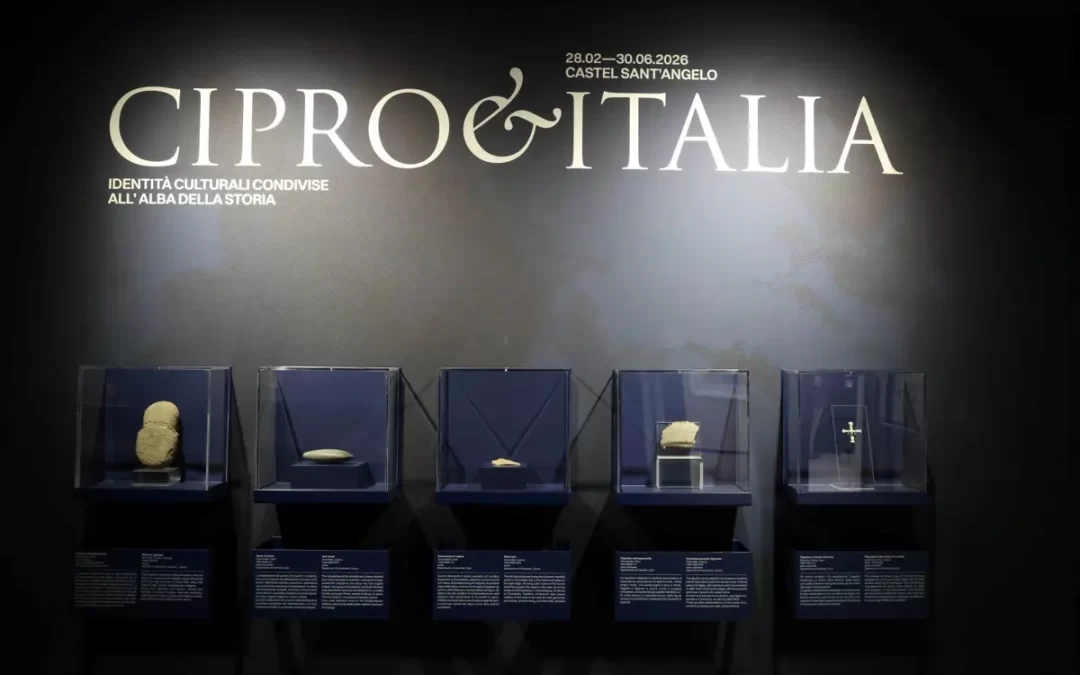
The opening of the archaeological exhibition entitled “Cyprus and Italy: shared cultural Identities at the Dawn of History” was held this Friday 27 February at Castel Sant’Angelo, Rome. The exhibition falls within the Cultural Programme of the 2026 Cyprus Presidency of the Council of the EU.
The exhibition presents, by means of 120 rare archaeological objects, Cyprus, Sicily and Sardinia’s timeless common heritage. The exhibition was inaugurated by the President of the Republic of Cyprus, Mr Nikos Christodoulides, together with the President of the Republic of Italy, Mr Sergio Mattarella.
The inauguration was attended by the Minister of Foreign Affairs of the Republic of Cyprus, Mr Constantinos Kombos, and the Deputy Minister of Culture of the Republic Cyprus, Dr Vasiliki Kassianidou, and the Minister of Culture of the Republic of Italy, Mr Alessandro Giuli, as well as officials from the Italian Government, the Italian Parliament and the European Commission and the Mayor of Rome, Mr Roberto Gualtieri.
Archaeological exhibition Cyprus and Italy Shared Cultural Identities at the Dawn of History
Minister of Foreign Affairs of the Republic of Cyprus, Mr Constantinos Kombos
Deputy Minister of Culture of the Republic of Cyprus, Ms Vasiliki Kassianidou
The exhibition, curated by Dr Anastasia Christophilopoulou, presents multidimensional stories of the cultural development of Cyprus and the islands of Italy over seven millennia of Mediterranean history, and will be open to the public until 30 June 2026. Of particular interest among the exhibits is an impressive ox-hide ingot from Serra Ilixi in Sardinia, made of copper from Cyprus, which travelled over two thousand kilometres to arrive in Sardinia and dates back to around 1500-1200 B.C. This exhibit demonstrates the extent of trade and technological exchange in the Bronze Age, highlighting the interconnection of Mediterranean societies and especially of Cyprus with Italy.
The joint organisation of the exhibition, by the Deputy Ministry of Culture of the Republic of Cyprus and the Ministry of Culture of the Republic Italy, and Italy’s long-standing archaeological missions in Cyprus, demonstrate Cyprus’ and Italy’s common endeavours to preserve cultural heritage and furthermore, constitute another joint effort to strengthen the already strong ties between Cyprus and Italy, especially in the fields of security, defence, energy, trade, tourism and investment.
Beyond the common heritage, the exhibition reflects core EU values and the Cyprus Presidency’s cultural vision: to strengthen the Union’s internal ties by using culture as a key catalyst for promoting cohesion within the EU and by recognising that culture is the most important expression of our common European identity and the common thread that binds member states together.
To provide the best experiences, we use technologies like cookies to store and/or access device information. Consenting to these technologies will allow us to process data such as browsing behavior or unique IDs on this site. Not consenting or withdrawing consent, may adversely affect certain features and functions.
Functional
Always active
The technical storage or access is strictly necessary for the legitimate purpose of enabling the use of a specific service explicitly requested by the subscriber or user, or for the sole purpose of carrying out the transmission of a communication over an electronic communications network.
Preferences
The technical storage or access is necessary for the legitimate purpose of storing preferences that are not requested by the subscriber or user.
Statistics
The technical storage or access that is used exclusively for statistical purposes.The technical storage or access that is used exclusively for anonymous statistical purposes. Without a subpoena, voluntary compliance on the part of your Internet Service Provider, or additional records from a third party, information stored or retrieved for this purpose alone cannot usually be used to identify you.
Marketing
The technical storage or access is required to create user profiles to send advertising, or to track the user on a website or across several websites for similar marketing purposes.